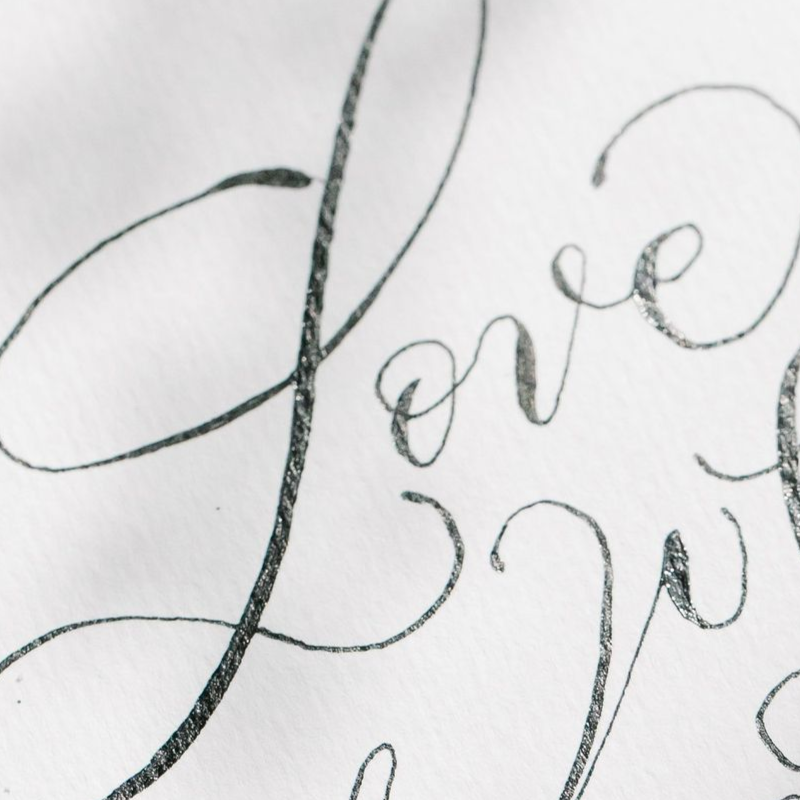
The return of cursive handwriting to American classrooms feels like a long‑awaited restoration of something beautiful and deeply human. After years of watching screens replace penmanship, parents and educators are celebrating the revival of an art form that connects children to centuries of learning. Cursive isn’t just a writing style — it’s a graceful expression of thought, rhythm, and individuality, and its comeback signals a renewed appreciation for intellectual craftsmanship.
As more states reintroduce cursive instruction, schools are rediscovering how this flowing script strengthens memory, literacy, and fine‑motor development. Students who learn cursive gain access to historical documents, family letters, and cultural heritage that printed text or keyboards simply cannot replicate. The act of writing in cursive slows the mind just enough to deepen comprehension, helping children build stronger cognitive foundations and personal discipline.
Beyond academics, cursive brings back a social grace that once shaped how people communicated with care and intention. A handwritten note, a signature, a beautifully formed sentence — these are small but powerful markers of character and connection. Its return reminds communities that education is not only about efficiency, but about cultivating the skills that enrich intellect, preserve tradition, and elevate the human experience.
Click here for article:
Cursive writing can be important to brain health and confidence, experts say