
ILLINOIS AT THE CROSSROADS: WHERE DO WE GO FROM HERE?
Illinois has two political parties that share a common goal: Grow Government. If any role of state government gets bigger, that translates to more job security for politicians, more funding for all kinds of activities, and more influence. Both parties in Illinois are on the same page when it comes to the size of government. Bigger, always bigger. But what about the responsibility that politicians have to the people?
Effective stewardship by a state government requires ethical and sustainable management of public resources, policies, and services to benefit current and future generations. Key components include:
*Balanced budgeting
*Efficient allocation of resources
*Debt management
*Management of environmental and natural resources
*Human capital investments for education, healthcare and justice
*Transparency of operations to keep the public informed
*Best practices in government agency performance
State government stewardship is about acting as a guardian of public trust—balancing immediate needs with future sustainability, focused on policies and programs that enable families and businesses to thrive and prosper.
How well is IL doing? Review the dozen pages of comments on a broad range of topics, and view the highlights posted below.
Illinois: A state with an uncertain future







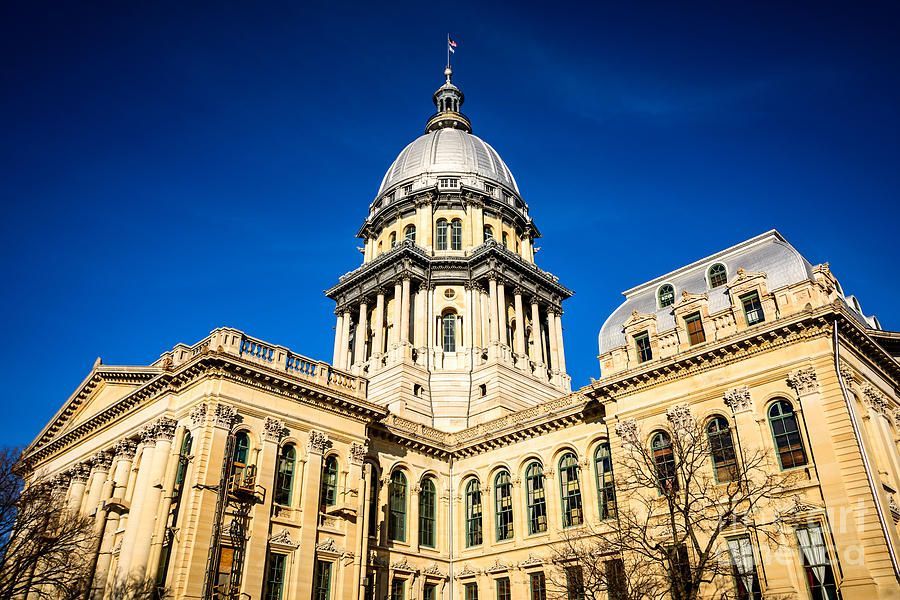
How well have Illinois politicians fulfilled their role of stewardship? Consider the following:
*Debt: IL has a debt burden of $407B for local, municipal and state-wide debt, second in the US.
*State Budget: The biggest line item in the IL budget is funding public sector pensions, at a cost of 25% of the budget. The national average is 5.1%.
*Taxing Entities: IL has over 7300+ taxing entities, first place in the US. The actual specific number is unknown.
*IL has 8943 government units, more than 3000+ compared to the next state. The national average is 1818 units.
*Taxation: Pick a state tax, any tax, and IL ranks in 1st, 2nd or 3rd place. IL taxes consume about 10% of annual income from every household, and a substantial amount of money from the business sector.
*IL Economy: IL, the nation’s fifth largest state as an economy, ranks 44th in economic growth.
*IL Jobs: IL ranks 45th out of fifty states for annual job growth in the private sector.
*Population: In the 1920’s, Chicago had a population of about 2.6M. That’s the population today. All the gains in population after WW2 are gone. IL has lost over 880k+ residents since 2015. A few years ago, IL adopted the “sanctuary state” policy and added 500k+ illegal residents at a cost of about $1B per year.
*IL Business: The business sector in IL has been decimated by the levels of taxation and regulations:
*Total businesses registered in Chicago is down 20% from a few years ago, part of a state-wide trend of erosion of businesses. *Commercial real estate in Chicago and suburbs have vacancy rates in the 30% range, which will be unsustainable in any economic downturn.
*IL Business taxes rank 38 out of fifty states for level of taxation, with NY ranked last (highest). And Chicago corporate taxes are double the average rate for major cities.
*IL ranks fourth out of fifty states for business regulations ,(282,000+ and rising), a burden that often includes costs for compliance, denying funds for other business needs.
*IL Schools: IL ranks in the top tier for spending on students, with an average of $20,129 per pupil. The national average is $16, 560 per student.
*IL Home Ownership: home appreciation since 2000 ranks IL last out of fifty states, with 13% growth in value (adjusted for inflation). The national average for fifty states in the same period is 70.9% gain in home equity (adjusted for inflation). Every IL homeowner could have achieved a larger return with an investment in a home in any other state.
Taxation with Representation is not working out well for Illinois families and businesses!
WHERE DO WE GO FROM HERE?
If we had any policy advocates in IL political ranks who supported government reforms, smaller government and lower taxes, we would see policies and proposals such as:
*Size of government: a list of state level agencies that will be downsized or eliminated if the politician or party is elected.
*Scope of roles: Evaluate functions of agencies and departments, limit roles to comply with actual duties, stop performing activities outside the scope of the units, reduce staff.
*Consolidation of functions: review agency and departmental duties, find ways to merge activities, get more work done per unit and reduce staff.
*Outsourcing: a commitment to review all government functions to determine what services can be outsourced to the private sector at lower cost and improved quality of performance. One example is school choice: pay parents to remove their child to any alternate education resource, scale back public education as needed to serve a smaller market.
*Deregulation: Identify activities of state government that fail to fulfill the mission of state roles, end such programs. One example: Illinois has emissions centers to test auto emissions. The pass rate of autos and other vehicles is 97%, per the IL secretary of state. Solution? Declare victory over auto emissions and end testing program.
*Taxes: commit to reducing the number of taxing entities by XX% (noted above), ending taxes as needed, and reduce the size/scope of state activities to match the tax revenues available.
At present, IL does not have any political support for any of the actions noted. Where is the leadership for reforms when our state desperately needs it?