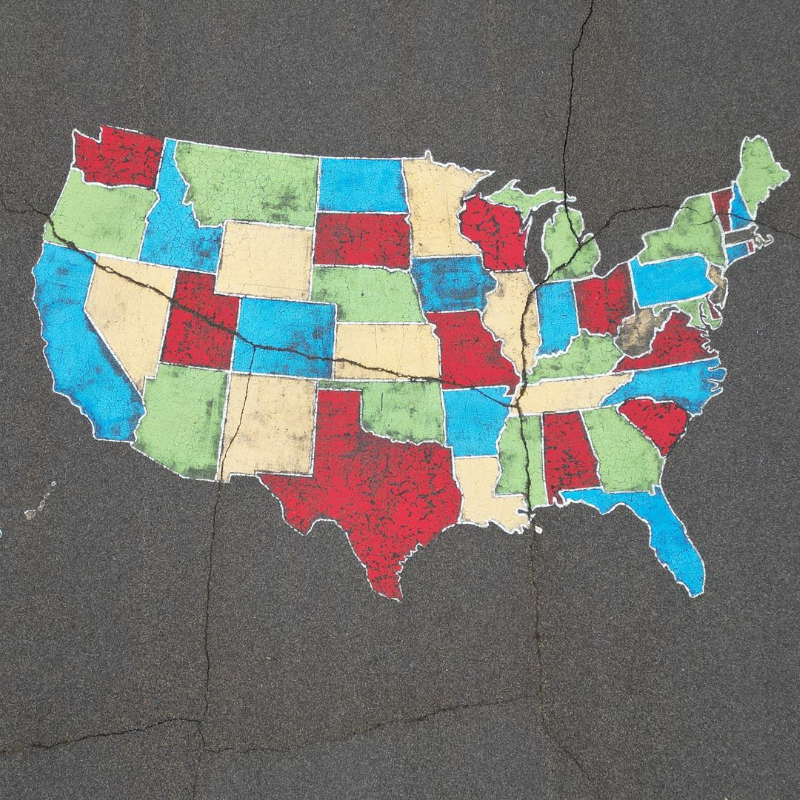
Redistricting becomes a problem when it is used not to reflect communities, but to protect political power. In Missouri, lawmakers attempted to redraw congressional districts mid-cycle in pursuit of an additional congressional seat, creating legal challenges, voter confusion, and uncertainty for election officials. When political leaders manipulate district boundaries for partisan gain, voters are left questioning whether their voices matter as much as the interests of the politicians drawing the maps.
The consequences extend far beyond a single election. Partisan gerrymandering often produces safer districts for incumbents, reducing competition and limiting meaningful choices for voters. Instead of debating how to best represent communities, elected officials focus on preserving their own positions and strengthening their party's advantage. This weakens accountability because lawmakers face less pressure from competitive elections and become more insulated from voter concerns.
At its core, aggressive redistricting is viewed by critics as a blatant power grab because it allows politicians to choose their voters rather than voters choosing their representatives. When district lines are designed primarily to secure partisan control, public trust in the electoral process erodes, political polarization deepens, and government becomes less responsive to the people it serves. Fair and independent redistricting processes are intended to prevent this imbalance by ensuring that electoral maps serve citizens rather than political interests.
Click here for article: https://wirepoints.org/missouris-map-fight-should-make-illinois-lawmakers-uncomfortable-realclear-politics/?utm_source=Wirepoints+Master+List&utm_campaign=b466080404-RSS_EMAIL_CAMPAIGN&utm_medium=email&utm_term=0_45e2c165a7-b466080404-555093491