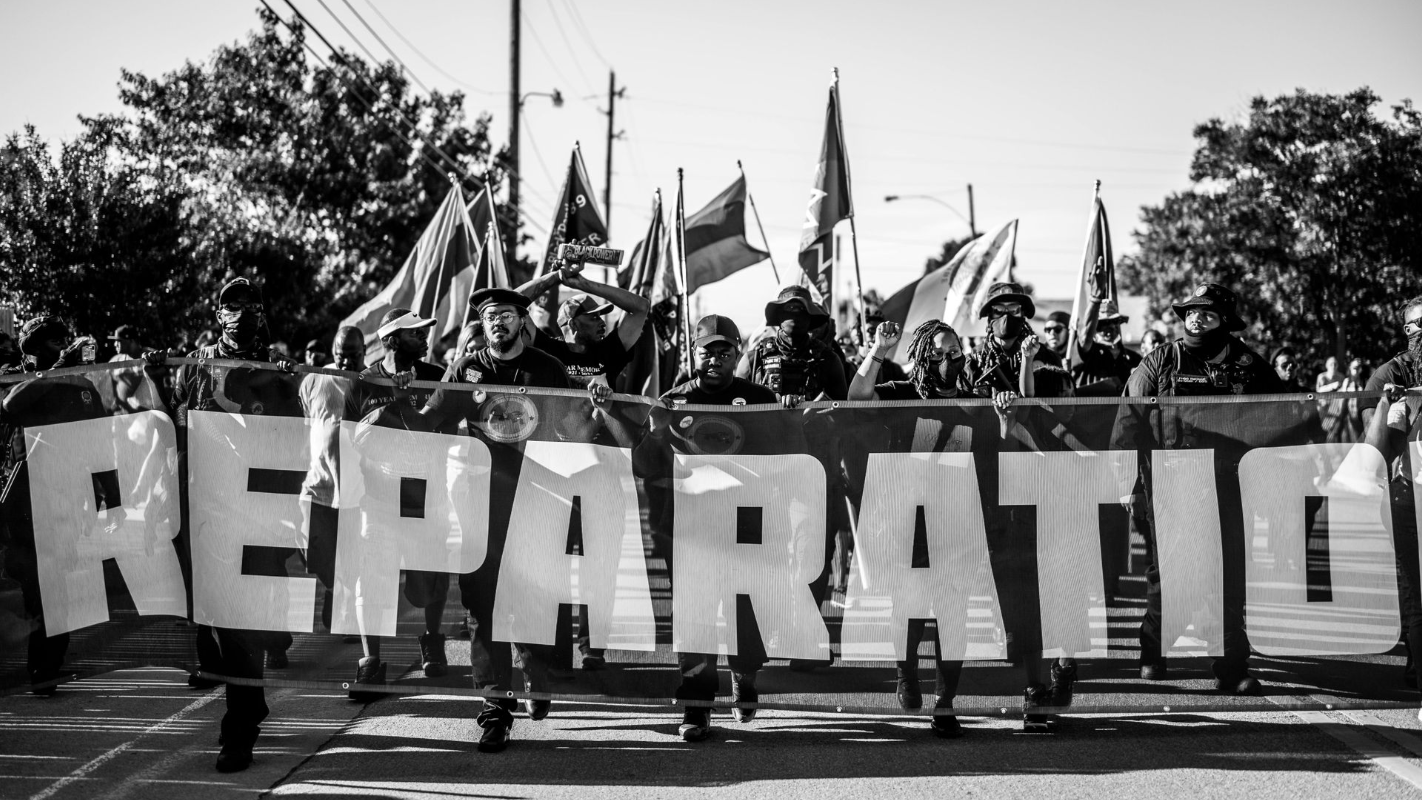
Illinois taxpayers may soon face new financial pressures as state‑funded commissions and university‑hosted panels explore expansive reparations proposals. At a recent meeting hosted by the University of Illinois, several professors urged the state to pursue both individual and collective reparations, along with the creation of new bureaucratic offices to manage genealogical verification and program administration. These recommendations go far beyond symbolic gestures, signaling a push toward large‑scale, long‑term government programs.
Such initiatives would require substantial new funding at a time when Illinois already struggles with chronic deficits, soaring pension liabilities, and one of the highest tax burdens in the nation. Because the state has no surplus capable of absorbing a multi‑billion‑dollar program, any reparations framework would almost certainly rely on higher taxes, new fees, or additional state borrowing. Historically, Illinois has shifted unfunded mandates onto local governments, meaning property taxpayers—especially in counties like Kane—could ultimately shoulder much of the cost.
Beyond the immediate price tag, the proposals risk creating permanent administrative structures that expand over time, similar to past DEI‑related offices and statewide mandates. Once established, these programs rarely shrink, locking taxpayers into ongoing financial commitments with no clear end point. For Illinois families already strained by rising taxes and economic uncertainty, the prospect of a new, open‑ended reparations bureaucracy raises serious questions about fiscal responsibility, priorities, and long‑term affordability.
https://www.foxnews.com/us/university-illinois-hosted-state-funded-committee-meeting-where-professors-advocated-reparations