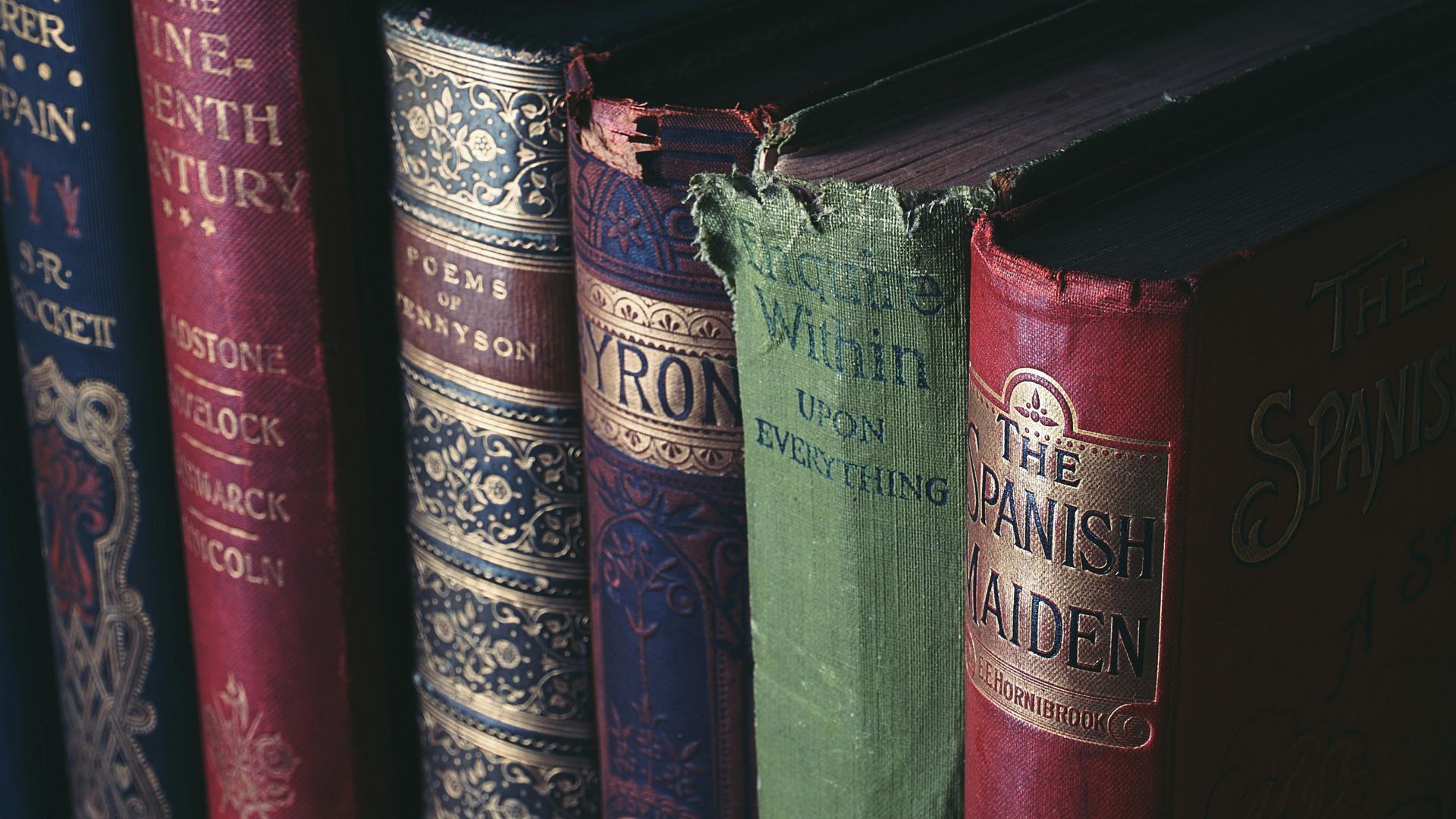
For generations, American high schools built literacy and civic understanding by guiding students through full works of literature — classics like Macbeth, The Crucible, and Their Eyes Were Watching God. Today, however, many districts have replaced these with excerpt‑based programs such as StudySync, which offer snippets of novels and short passages designed to prepare students for standardized tests. The result is that students often read only one or two complete books per year, a sharp decline from the four or more assigned just fifteen years ago. This shift reflects a troubling trend: schools are prioritizing test scores and convenience over the deeper intellectual stamina and cultural literacy that come from wrestling with entire texts.
Parents and teachers alike have voiced frustration with this approach. Even in elite schools, families report that students rarely encounter full novels, while educators complain that technology and curriculum products have eroded students’ attention spans. Publishers themselves admit that excerpts are no substitute for whole works, yet schools continue to rely on them because they are cheaper, easier to deliver digitally, and safer in an era of political restrictions on race, gender, and sexuality. Conservative critics see this as another example of bureaucratic overreach and misplaced priorities: instead of cultivating disciplined readers capable of grappling with complex ideas, schools are producing students trained only to skim and test.
Despite these pressures, some teachers remain “secret revolutionaries,” assigning full works like Hamlet, Life of Pi, and The Autobiography of Malcolm X. Their students consistently report preferring print books to screens, underscoring the enduring value of classics read in their entirety. As former Louisiana superintendent John White has argued, whole‑book reading is not just about literacy — it is about citizenship, the shared project of debating big ideas together. From a conservative standpoint, restoring the primacy of full texts in the classroom is essential: it strengthens character, preserves cultural heritage, and resists the fragmentation of education into bite‑sized, test‑driven exercises that leave young Americans ill‑prepared for adulthood and civic life.
https://www.nytimes.com/2025/12/12/us/high-school-english-teachers-assigning-books.html